Soil Testing 101: Read Your Garden Before You Plant
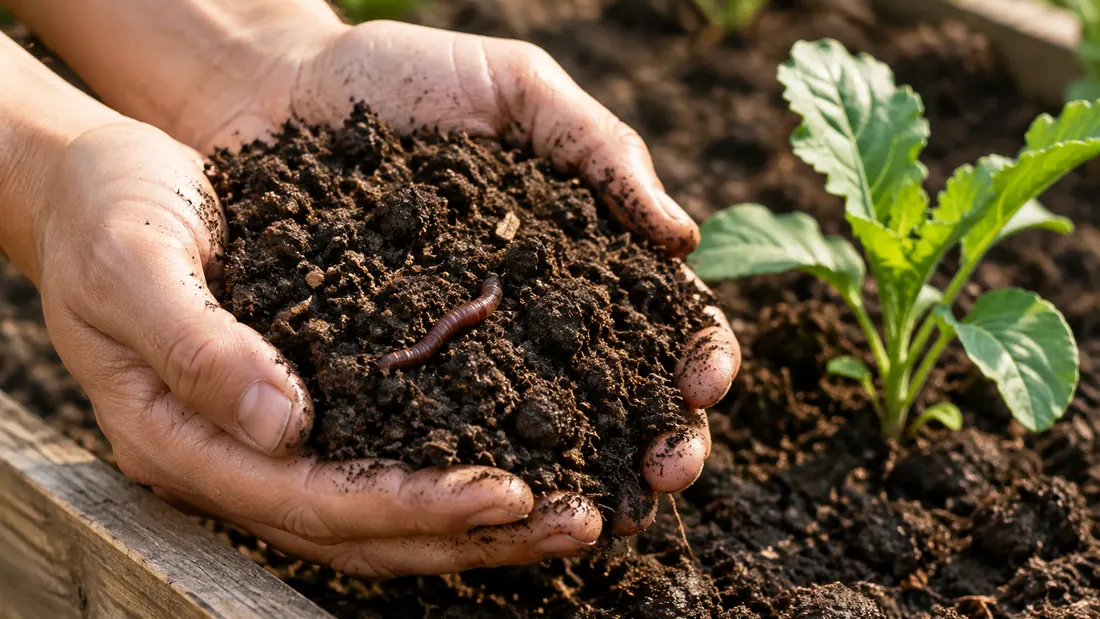
Most garden problems - yellowing leaves, stunted growth, plants that never quite thrive - are not pest problems or watering problems. They are soil problems hiding underneath. A soil test turns guesswork into data: what your pH actually is, how fast your ground drains, how much sun a bed really gets. Ten minutes of testing saves a whole season of disappointment.
Soil pH controls whether plants can actually absorb nutrients. Most vegetables and flowers want 6.0 to 7.0. Above 7.5, iron and phosphorus get locked out no matter how much fertilizer you add. Below 5.5, calcium and magnesium go quiet. A 4-in-1 soil tester gives you a pH reading in minutes; test three spots per bed and average them.
Finger-deep moisture testing beats any schedule. Push a tester or your finger 3-4 inches down: damp means wait, dry means water. Consistent, deep watering beats frequent sprinkling - roots grow toward moisture, so deep soakings build deep, drought-proof roots. A soaker hose on a timer is the cheapest path to perfectly consistent moisture.
Full sun means 6+ hours of direct light. Watch your garden through a sunny day and note where shadows actually fall - most patios and side yards get half the sun their owners think. Leafy greens can manage 3-4 hours; tomatoes, peppers and roses will not fruit without the full six. A light meter reading (or a phone app) removes the guesswork entirely.
Soil temperature, not air temperature, tells you when to plant. Tomatoes and peppers stall in soil below 60F even on warm days; lettuce and peas germinate in soil as cool as 40F. Test at planting depth in the morning. The classic mistake is planting summer crops two weeks too early and losing them to a cold snap.
Testing is step one; amending is the payoff. Whatever the numbers say, the answer almost always includes compost - it buffers pH, improves drainage in clay, holds moisture in sand, and feeds soil life. Work 2-3 inches into the top of each bed each season, retest in six months, and watch the readings drift toward ideal on their own.
Gardeners who test their soil stop feeding their plants and start feeding the ground the plants live in.
Container and raised-bed soil is different animal: it is usually soilless mix (peat or coir based) that you assemble, not native ground you inherit. It still deserves testing - mixes drift acidic over a season as fertilizer breaks down. Test pH at the start of each season, refresh a third of the volume yearly, and never reuse mix that held diseased plants. Raised beds split the difference: test the native soil underneath for drainage, and the fill above for pH.
A few patterns come up again and again in home gardens:
The gardeners with the best soil are not the ones who test once - they test twice a year, spring and fall, and keep notes. A cheap notebook with dates, readings and amendments turns scattered observations into a record of what actually works in your yard. After two or three years you will know your ground better than any extension office could, and every planting decision gets easier.
Pick up a 4-in-1 soil tester from our lawn and garden care collection and start the season with real answers.
Electronic testers cover pH, moisture and light - the daily drivers. But a laboratory soil test (most state extension offices charge $10-25) adds what no device can: NPK levels, organic matter percentage, and lead screening for vegetable gardens near old structures. Do the lab test once when starting a new garden, then again every three or four years. The electronic tester handles the routine; the lab test handles the big decisions.
Ready to get to work? Shop the collection - free US shipping, tax free.