The Year-Round Garden Calendar: What to Do in Every Season
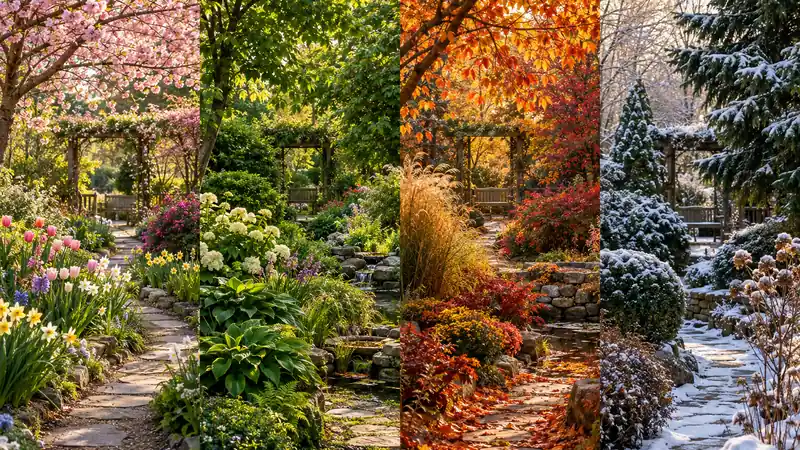
Spring is triage and momentum. Test your soil as soon as it thaws, prune dead wood before buds break, and start cool-season crops - lettuce, peas, spinach, radishes - as soon as soil is workable. Hold tomatoes and peppers until soil hits 60F. Mulch beds before summer weeds wake up; a layer applied in April saves three times the work in June.
Summer is maintenance: water deeply and infrequently, harvest everything the moment it is ready (overripe vegetables signal plants to stop producing), and deadhead flowers weekly to keep blooms coming. Watch for pests in the morning - hand-pick or use neem oil before populations explode. Feed heavy feeders like tomatoes monthly.
Fall is the most underrated planting season. Soil is warm, air is cool, and roots grow until the ground freezes. Plant trees, shrubs and garlic; overseed the lawn; divide crowded perennials. Rake leaves into the compost bin rather than the curb - next year's soil is sitting in your yard for free. Clean, sharpen and oil tools before storing them.
Winter is for planning and protecting. Mulch perennials after the first hard freeze to keep the ground frozen (freeze-thaw cycles heave roots out). Protect young trees with guards. Order seeds early - the good varieties sell out by February. And spend the quiet months sketching next year's beds while this year's failures are fresh in mind.
Whatever the season, five quick checks keep a garden on track:
A garden calendar is not a list of chores - it is a list of moments when one hour of work saves ten.
The calendar shifts with your zone - the jobs stay in order, but the dates move. In the South, fall planting starts in October and winter is prime growing season for greens. In the North, spring arrives late and fall chores compress into September. The reliable anchor is soil temperature, not the calendar: plant cool crops when soil hits 40F, warm crops at 60F. A soil thermometer costs less than one lost seedling tray.
Printed calendars are generic; your garden is not. A simple notebook - what you planted, when, and how it did - becomes the most valuable gardening tool you own within two seasons. Note first and last frost dates as they actually happen, which varieties thrived, and what the pests did. After three years you will have a personalized almanac no store could sell you, tuned exactly to your square of ground.
In mild-winter areas, winter is not the off-season - it is the best season for lettuce, spinach, peas and root crops, with fewer pests and no watering stress. A cold frame or row cover stretches the season further. Even in cold climates, garlic planted in October is the first harvest of June. The year-round calendar has no empty months - just quieter ones.
From soil testers to pruning shears, our collections have the right tool for every season's list.
Every garden calendar hangs on two dates: your average last spring frost and first fall frost. Everything else - seed starting, transplanting, fall planting - counts backward or forward from them. Find yours from your local extension office or weather service records, write them on the inside cover of your garden notebook, and adjust your calendar once. Suddenly every seed packet's 'plant 6 weeks before last frost' becomes an actual date on your actual calendar.
If the full calendar feels heavy, compress it to a single non-negotiable job per month: test and mulch in April, weed seriously in May, water deeply in July, overseed in September, clean tools in November. Twelve focused hours a year will not do everything - but they will do eighty percent of what a neglected garden misses, and they fit any schedule. Consistency beats intensity in the garden as everywhere else.
Ready to get to work? Shop the collection - free US shipping, tax free.